
Our Location
1130 Upper Hembree Rd , Roswell, GA 30076
Heavy metal exposure is real, it is measurable, and it matters. It is also the subject of more nonsense than almost anything else in natural health, and the nonsense makes the real cases harder to take seriously.
This post tries to separate the two: where exposure genuinely comes from, what the evidence supports doing about it, and which widely repeated claims do not hold up.
The Metals That Actually Matter
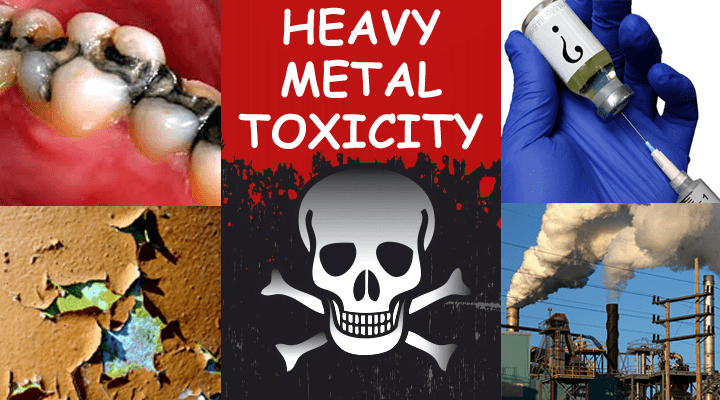
Four account for most clinically relevant exposure: lead, mercury, arsenic and cadmium . Each behaves differently, accumulates in different tissues and comes from different places, which is why "heavy metals" as a single category is less useful than it sounds.
About That Symptom List
Genuine acute or high-level poisoning does have more specific signs — a metallic taste, peripheral neuropathy, a lead line on the gums, abdominal colic, cognitive change in a child — and those belong with a physician immediately, not with a wellness plan.
Where Exposure Genuinely Comes From
Lead in drinking water. Real and well documented. Lead service lines and lead solder remain in older housing stock across the country, and Flint was not an isolated event. If your home was built before 1986, this is worth knowing about. Your water utility publishes an annual Consumer Confidence Report, and testing your own tap is inexpensive. An NSF-certified filter rated for lead removal works; most filters are not.
Lead paint and dust. Housing built before 1978 is the single biggest childhood exposure route in the United States, and it is dust from disturbed paint rather than paint chips that does most of it. Renovating an old house without proper containment is a genuine hazard.
Arsenic. Private well water in some regions, and rice and rice-based products, which take up arsenic from soil more readily than other grains. Worth knowing if rice is a staple, particularly for infants.
Mercury in fish. The predictable one, and dose-dependent. Large, long-lived predatory species — shark, swordfish, king mackerel, tilefish, bigeye tuna — accumulate the most. Salmon, sardines, trout and shellfish are low. The FDA and EPA publish a joint advisory, and it is aimed particularly at pregnancy and young children.
Cadmium. Overwhelmingly tobacco smoke, plus some occupational exposure.
Occupational and hobby exposure. Often the real answer. Battery work, smelting, radiator repair, construction and demolition, soldering, stained glass, ceramic glazing, casting bullets or fishing weights, some traditional and imported cosmetics and remedies. If the history contains one of these, that is where to look first.
Two Claims That Do Not Hold Up
"Pesticides contain mercury, lead and arsenic." This was true a long time ago and is not true of modern US pesticides. Lead arsenate was banned in the 1980s and mercury-based fungicides earlier still. Whatever the arguments about current pesticide residues, heavy metal content is not among them, and repeating it undermines the points that are accurate.
"You should have your amalgam fillings removed." This one matters more, because acting on it causes harm.
A damaged, failing or decayed filling is a different question and is your dentist's call on dental grounds.
How Exposure Is Actually Assessed
The test has to match the metal and the question. Blood lead is the standard for lead and reflects recent exposure. Blood or urine mercury depends on which form is involved. Urine and hair have their uses and their limits.
One method deserves a specific warning. Provoked or challenge testing — giving a chelating agent and then measuring what appears in urine — is not a validated diagnostic method. It reliably produces elevated numbers in people with entirely ordinary body burdens, because that is what a chelator does, and those numbers are then used to sell a course of chelation. Both the American College of Medical Toxicology and the College of Physicians have advised against it. If someone proposes provoked testing, ask what an unprovoked reference range for that result would even be.
What we use is on the functional medicine testing page , and the report is always read alongside the exposure history rather than on its own. Our post on testing before a detox explains why that sequence matters.
What Genuinely Helps
Removing the exposure comes first, and frequently it is the only intervention needed. Filter the water, deal with the paint properly, change the fish, stop smoking, fix the workplace practice. Everything else is secondary to that.
Nutritional status matters too, and for a specific reason: lead and cadmium are absorbed more efficiently when iron, calcium or zinc are low, because they use the same transport routes. Correcting a genuine deficiency reduces uptake. That is a modest, real effect rather than a detox claim.
Where to Start
If your history points somewhere specific — an old house, a well, a trade, a hobby, a lot of predatory fish — that is worth testing properly. If it does not, and the complaint is fatigue and brain fog, the far more likely explanations are thyroid, iron, sleep and blood sugar, and those are cheaper and faster to check.
Our heavy metals page covers how we approach a confirmed exposure, and functional medicine covers the wider method. Nothing here diagnoses or treats disease. Suspected acute poisoning, or any concern about a child's lead exposure, belongs with a physician now.
Call (770) 674-6311 or request an appointment . We see patients from Roswell, Alpharetta, Johns Creek, Atlanta and across the north metro.
Ready to heal naturally?
Start your personalized naturopathic, functional & holistic care plan in Roswell, GA, proudly serving Alpharetta, Atlanta & the greater Fulton County area.
Search
Categories
- Adrenal Health 1
- Benefits of Detoxification 2
- Brain Health 2
- Breast Cancer 1
- Cardiovascular Disease 1
- Colonic Hydrotherapy 5
- Conditions 10
- Corrective Massage Therapy 1
- Diarrhea 1
- Gut Health 6
- Heavy Metal Detox 1
- Hormonal Imbalance 1
- Hyperbaric Oxygen Therapy 2
- Immune Health 1
- Lifestyle 8
- Nutrition and Health 12
- Treatments 12
- Health and Wellness 12
- Weight Management 2
- Whole Body Health 11
- Soft-Shell Hyperbaric Chamber 1
Recent Posts
- Adrenal Fatigue: Symptoms and Solutions April 2026
- Benefits of Colon Hydrotherapy April 2026
- Benefits of Hyperbaric Chamber Oxygen Therapy April 2026
- Beyond the Bulb Syringe: Why Colon Hydrotherapy Offers a More Thorough Cleanse April 2026
- Brain’s Role in Mental Health April 2026
- Colon Hydrotherapy in the Atlanta Metro Area April 2026
Tags