
Hormone Balancing
Hormone Imbalance Doctors in Roswell, GA
1130 Upper Hembree Rd , Roswell, GA 30076
Explore Your Care
Learn more at your own pace
Select any topic below to view the complete information.
Overview
Hormonal Imbalance
Hormone balance underpins a great deal of how you feel, and not only physically. These chemical messengers shape appetite, weight and mood along with much else besides. W…
Overview
Hormonal Imbalance
Hormone balance underpins a great deal of how you feel, and not only physically. These chemical messengers shape appetite, weight and mood along with much else besides. W…
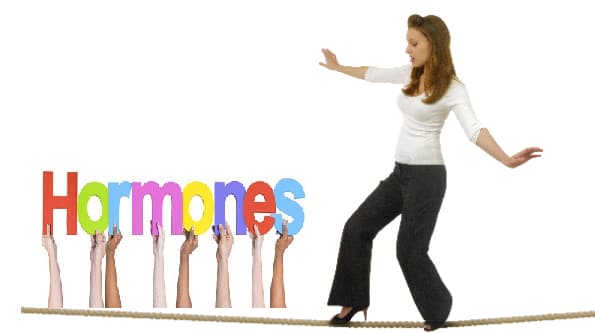
Hormone balance underpins a great deal of how you feel, and not only physically. These chemical messengers shape appetite, weight and mood along with much else besides. When the endocrine glands are working properly they release each hormone in the amount the body needs, in the right rhythm. That balance is easily disturbed, and modern life disturbs it constantly through poor sleep, sustained stress and irregular eating. Age plays a part too, since some hormones decline naturally over time, and for certain people that drop is far steeper than average.
The encouraging part is how responsive this system is. Good nutrition and a few sustained lifestyle changes can shift hormonal health considerably, often enough to change how you feel day to day.
How It Works
What are signs of a hormone imbalance?
Some of the signs that point toward a hormonal imbalance:
How It Works
What are signs of a hormone imbalance?
Some of the signs that point toward a hormonal imbalance:
Some of the signs that point toward a hormonal imbalance:
Your Care
Lifestyle Changes to Ensure Hormone Balance
Changes worth building into your routine if you want hormones to settle:
Your Care
Lifestyle Changes to Ensure Hormone Balance
Changes worth building into your routine if you want hormones to settle:
Changes worth building into your routine if you want hormones to settle:
- Engage in regular exercise
- Cut down sugar and refined carbs
- Learn to manage stress
- Get enough restorative sleep
- Avoid drinks with a high sugar content
- Eat a diet high in fiber
What to Know
Which Hormones We Look At
Hormone imbalance is rarely one hormone acting alone. Several systems lean on each other, which is why treating a single number in isolation so often fails to change how…
What to Know
Which Hormones We Look At
Hormone imbalance is rarely one hormone acting alone. Several systems lean on each other, which is why treating a single number in isolation so often fails to change how…
Hormone imbalance is rarely one hormone acting alone. Several systems lean on each other, which is why treating a single number in isolation so often fails to change how someone feels. The ones that come up most in our Roswell clinic:
- Thyroid — drives metabolic rate, energy, temperature and mood. A single TSH misses a great deal; free hormones, conversion and antibodies tell a fuller story.
- Cortisol — the stress hormone, and the one most affected by modern life. What matters is the daily pattern rather than a single reading, which is why it is measured across the day. See adrenal health .
- Estrogen and progesterone — the balance between them, not just the level of either, drives cycle symptoms, sleep, mood and perimenopausal change.
- Testosterone and DHEA — relevant for both men and women, and often overlooked in women entirely despite affecting energy, libido, mood and muscle.
- Insulin — fasting insulin frequently shows a problem years before glucose does, and insulin resistance disturbs sex hormones in turn.
Treatment Details
How We Test Hormones
We test rather than guess, and the sample type is chosen to fit the question. Blood works well for thyroid and metabolic markers. Cortisol is better measured in saliva or…
Treatment Details
How We Test Hormones
We test rather than guess, and the sample type is chosen to fit the question. Blood works well for thyroid and metabolic markers. Cortisol is better measured in saliva or…
We test rather than guess, and the sample type is chosen to fit the question. Blood works well for thyroid and metabolic markers. Cortisol is better measured in saliva or dried urine across a full day, because the rhythm is the finding. Sex hormones and their metabolites often need a broader panel than a standard workup provides. Our functional medicine testing page explains what each panel covers and how sample collection works.
Results are read against your history and symptoms rather than in isolation. A number inside the reference range still matters if it sits at the edge and your symptoms line up with it.
Patient Information
Hormone Changes Through Life
Perimenopause often begins years earlier than women expect, sometimes in the late thirties, and the first signs are usually sleep disruption, mood changes and a shifting…
Patient Information
Hormone Changes Through Life
Perimenopause often begins years earlier than women expect, sometimes in the late thirties, and the first signs are usually sleep disruption, mood changes and a shifting…
Perimenopause often begins years earlier than women expect, sometimes in the late thirties, and the first signs are usually sleep disruption, mood changes and a shifting cycle rather than hot flashes. Post-menopause brings different priorities, with bone density, cardiovascular health and cognition moving to the front. Thyroid problems can appear at any age but cluster after pregnancy and around menopause, which is exactly when they are most likely to be attributed to something else. PCOS and insulin resistance frequently travel together and respond well when both are addressed at once rather than separately.
Overview
Questions We Hear About Hormone Balancing
Often, yes. Nutrition, sleep, stress management and targeted nutrients shift hormone balance more than most people expect, particularly when the driver is lifestyle or an…
Overview
Questions We Hear About Hormone Balancing
Often, yes. Nutrition, sleep, stress management and targeted nutrients shift hormone balance more than most people expect, particularly when the driver is lifestyle or an…
Can hormone imbalance be corrected naturally?
Often, yes. Nutrition, sleep, stress management and targeted nutrients shift hormone balance more than most people expect, particularly when the driver is lifestyle or an underlying deficiency. Where more is needed, we say so and coordinate with your other providers.
How long before I feel a difference?
It depends on what is driving the imbalance. Blood sugar and sleep changes can show within weeks. Thyroid and adrenal patterns usually take a few months to settle, because those systems change slowly by design.
Do you treat men for hormone imbalance?
Yes. Testosterone, DHEA, thyroid and insulin all matter for men, and the symptoms, fatigue, weight gain, low mood and poor recovery, are frequently put down to age when something treatable is behind them.
How It Works
Optimal Hormone Therapy Plan
Our women's integrative and holistic healthcare program is built around the individual rather than a standard protocol, combining conventional and complementary medicine…
How It Works
Optimal Hormone Therapy Plan
Our women's integrative and holistic healthcare program is built around the individual rather than a standard protocol, combining conventional and complementary medicine…
Our women's integrative and holistic healthcare program is built around the individual rather than a standard protocol, combining conventional and complementary medicine to fit your own needs and goals. That covers gynecologic services, integrative medicine treatments and mind-body therapies.
Dr. Gail Ravello works on whatever is pushing the body out of balance in the first place, rather than managing the symptom it produces. Call us at ☎ (770) 674-6311 to schedule an appointment.
Common Questions
Hormone Imbalance Doctors in Roswell, GA FAQs
Select a question to view the answer.
Related Care
Explore complementary services
Ready to Begin?